
Archaeologists have identified what is believed to be the earliest known evidence of human-made fire at a site in Barnham, Suffolk, dating back around 400,000 years. Researchers say the location offered ideal conditions for early humans to live, gather resources, and survive.
The discovery was announced following long-term archaeological work led by British Museum curator Nick Ashton. He described Barnham as one of the most significant prehistoric sites in Britain, noting that the preservation of fire-related evidence at the location was rare and valuable. According to researchers, the controlled use of fire marked a crucial step in human development, enabling warmth, protection, and food preparation.
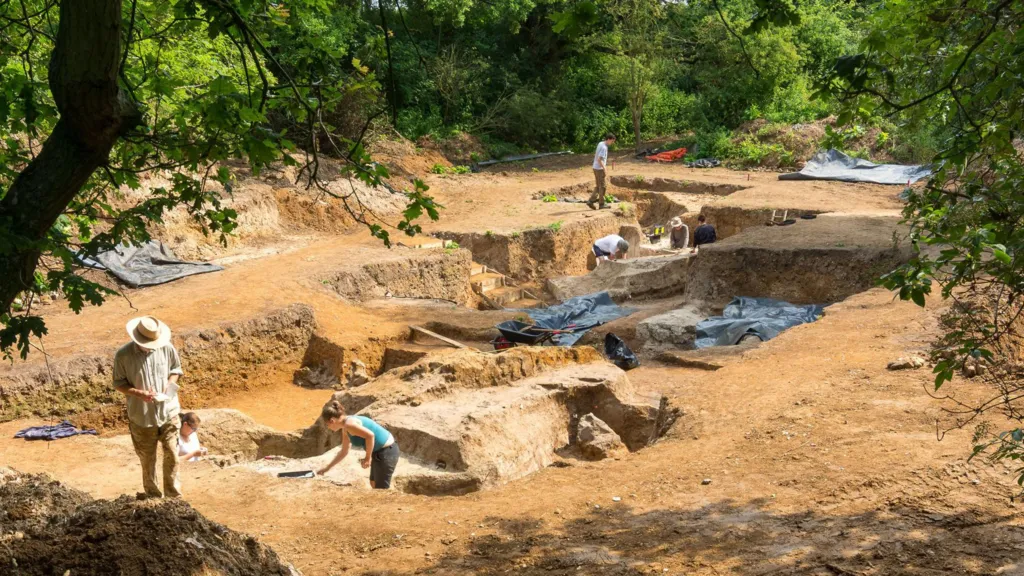
Barnham’s landscape played a key role in its importance. Thick clay deposits and hollows formed during the Anglian glaciation helped preserve ancient sediments. The area also provided flint for tool-making and water sources that attracted animals, making it a favourable campsite for early humans. Excavations have uncovered stone tools alongside remains of large animals, including ancient species of elephants, rhinos, and lions.
Although the site later became a clay pit in the 20th century, archaeological investigations beginning in the late 1980s revealed its deep prehistoric value. Researchers believe similar evidence of early fire use may exist elsewhere in Europe and plan to continue their studies.
For more news and update, click here to download our mobile app – Veritas Daily
To explore advertising or sponsorship collaborations, click here to contact us


Leave a Reply