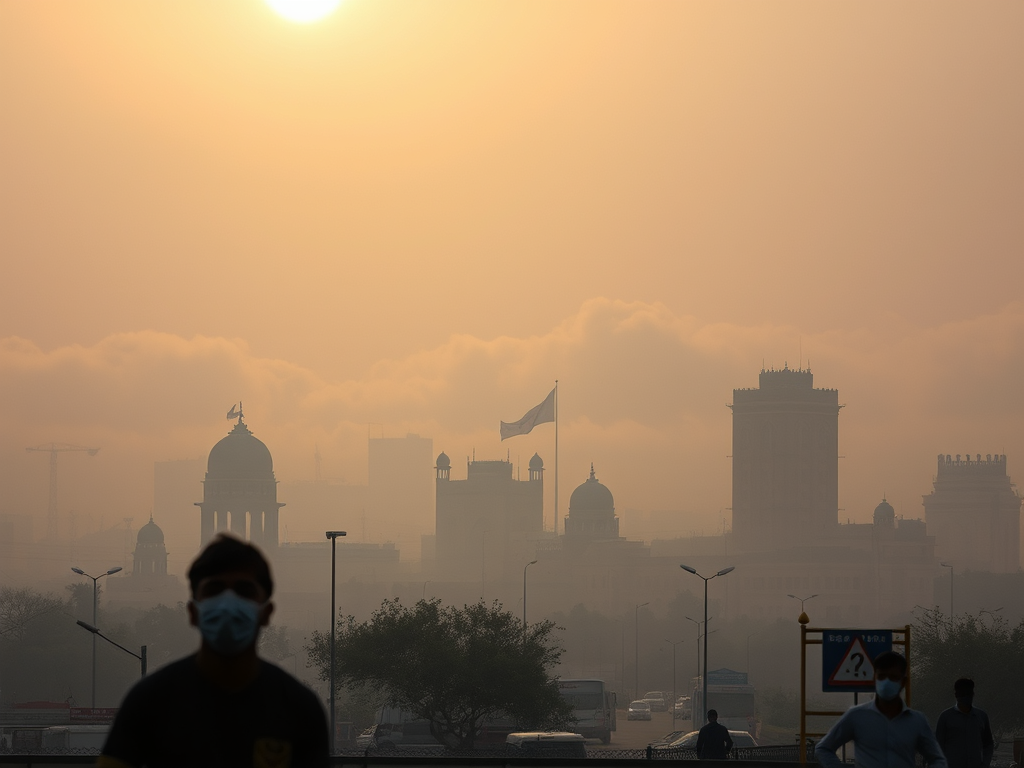
Delhi’s air quality deteriorated further on Friday, with several locations falling into the severe category and health experts calling the situation a public health emergency. The city recorded a 24-hour average AQI of 370 at 9 am, marking the eighth consecutive day in the ‘very poor’ range. Over 18 monitoring stations, including Chandni Chowk, Anand Vihar and Mundka, reported AQI levels above 400.
Forecasts indicate little relief. The Air Quality Early Warning System expects pollution to remain in the very poor to severe category for at least six more days due to stagnant winds and winter inversion. Data showed vehicular emissions remained the highest contributor to PM2.5 levels, while stubble burning added a smaller but persistent share.
Satellite imagery recorded farm fires in Punjab, Haryana and Uttar Pradesh, which experts warn worsen background pollution during winter. Hospitals across Delhi have reported a 10–15% rise in respiratory and pollution-linked cases, with doctors at major institutions warning that pollution is affecting multiple organs and reducing life expectancy.
A recent survey found that 80% of households in Delhi-NCR had at least one member fall ill from toxic air in the past month. With public anger rising, protests have begun at India Gate and Jantar Mantar demanding urgent action. The Supreme Court has also urged authorities to intensify monitoring and reconsider outdoor activities for children.
Leave a Reply