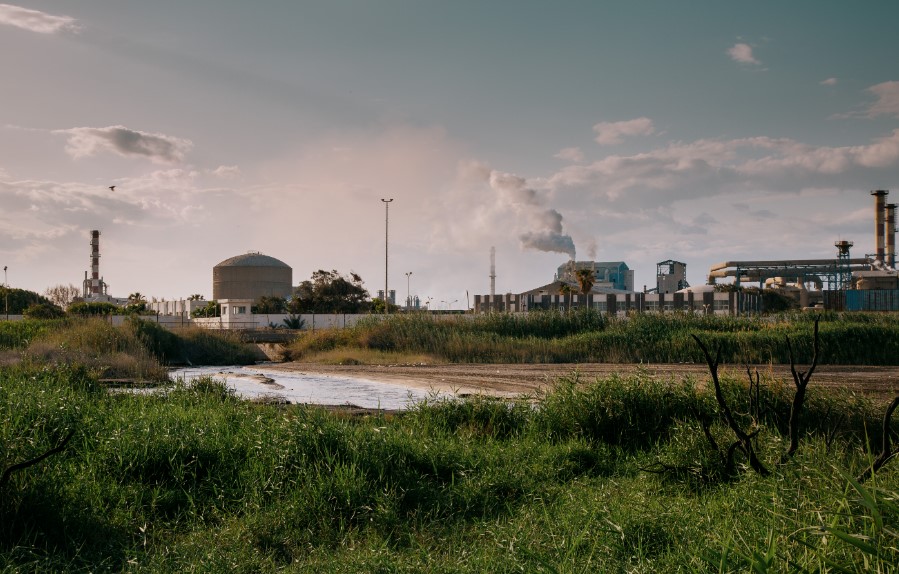
Tunisia reported on Tuesday that over 120 people, including many students, were admitted to hospitals in the southern city of Gabes amid ongoing health concerns linked to pollution from a nearby phosphate processing plant.
Residents have blamed the factory’s emissions for a rise in respiratory distress and other symptoms such as suffocation, leg pain, numbness, and loss of mobility. Fresh protests demanding the dismantling of the plant began last Friday, with people bringing children in panic to local hospitals.
The plant, which processes phosphate rock into fertilizer, emits toxic gases including sulphur dioxide and ammonia. Its main waste product, phosphogypsum, is discharged into the Mediterranean and contains radium, which decays into radioactive radon gas, a known cancer risk.
Local officials and union leaders highlighted the deteriorating conditions, with Tawfik Dhaifallah, a resident, describing how his sister experiences suffocation from fumes every few days. Slah Ben Hamed, regional secretary-general of Tunisia’s UGTT labor union, warned that due to the plant’s age—it was inaugurated in 1972—gas leaks are inevitable.
The situation has sparked growing alarm about environmental safety and public health in Gabes, as protests continue and hospital admissions rise.


Leave a Reply