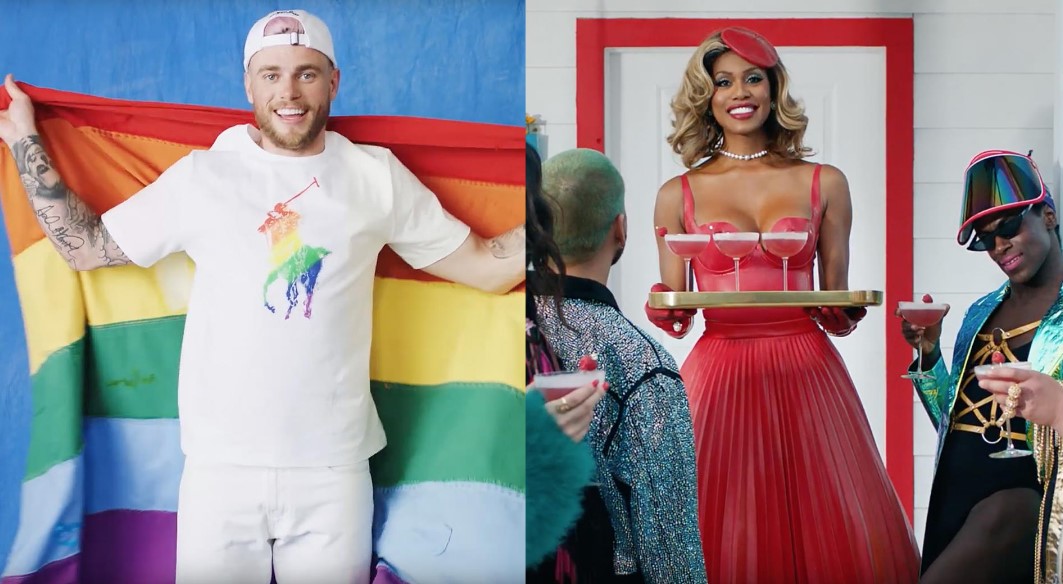
Opinion piece by Thejas C Nair & Krishnan Jeesha: Historically, brands have been reluctant to represent the LGBTQ+ community in their communications with Section 377 that criminalized same-sex relationships being one of themajor deterrents. However, the statistics show that in 2008-2017, even before the law was repealed, approximately 26 advertisements with LGBTQ+ themes were used by brands braving the risks and societal taboo associated with it. A pivotal moment for inclusive advertising took place on September 6, 2018, with the repeal of Section 377 in the case of Navtej Singh Johar v. Union of India. The change was evident, with more than hundred LGBTQ+ themed campaigns since then, which saw campaigns from major brands like Myntra, Procter & Gamble, Unilever, and Titan Company to name a few.
Brands’ focus on LGBTQ+ portrayals varies. Globally, marketers have focused on targeting high-income gay and lesbian consumers, but Indian brands have focused on a landscape shaped by heteronormative structures and legislative shifts. Heteronormative societal structures remain deeply embedded in the servicescape in India, and they immensely influence brands inclusive portrayals. This means that brands mostly design their signage and communication assuming that all consumers are heterosexual. According to a 2023 study by Kantar, ASCI, and the UN Unstereotype Alliance, less than 1% of Indian advertisements feature LGBTQ+ representation. These constraints explain why brand communication in the Indian context is usually reserved for transgender-guided testimonies, indicating significant transformations that they undergo in the labour market and social acceptance, which is in stark contrast to the focus on the affluent lesbian and gay target audience in the Western context. Indian brands adopt distinct narrative approaches, given their unique structural realities. Love is the most common theme for gay and lesbian characters in Indian advertisements. For example, Anouk’s ‘The Visit’ (2019) features a lesbian couple preparing for a family visit, and Closeup’s ‘FreeToLove’ (2019) celebrates the romantic journey of gay couples. Advertisements featuring trans characters primarily focus on human rights, highlighting the significance of differences and showcasing the specific focus where legislative change has been most impactful. Advertisements like Ariel’s ‘#MakeItPossible’ (2021), celebrating Dr VS Priya’s journey on becoming Kerala’s first trans doctor, and Vicks’ ‘Touch of Care’ (2018) featuring Gauri Sawant’s fight for adoption rights are examples where the advertiser has featured trans characters with a primary focus on highlighting dignity, human rights and social acceptance.
Bold campaigns that uncovered the silence
Among the many LGBTQ+ brand campaigns that entered the market, a few pioneering ones have reshaped the marketing landscape:
Fasttrack’s “The closest’ in 2013 broke the silence on LGBTQ+ brand representation preceding the 2018 decriminalization of Section 377. Where two girls came out of the closet with the tagline “Come out of the closet. Move On”. The campaign normalized same-sex relationships. Though the advertisement pushed boundaries and was perceived as progressive there were mixed reactions. The campaign was perceived by young women as moving on with their lives. Vicks India’s “Touch of Care” was a huge hit worldwide in 2017. It starred Gauri Sawant, a real-life transgender activist raising her adopted daughter, Gayatri. The advertisement portrays unconditional love, free of stereotypes, which shocked the audience. Well-known individuals were not needed to make this advertisement work better. The emotional honesty of the ad sparked a lot of conversation across the country, starting a conversation about adoption and transgender rights in particular. The video received 4 million views and 116 impressions in 48 hours without any paid advertising. The campaign boosted brand recall by 8% and sales by 23%.
Anouk’s 2015 commercial, “The Visit” dropped as part of the “Bold is Beautiful” campaign, had a completely new take on a lesbian couple. Neha Panda and Anupriya Goenka, who were preparing to visit one partner’s parents for the very first time. The brand depicted same-sex couples love as just like any other love story. This advertisement captures the real-life complexities and anxieties that are a part of family acceptance and shows that LGBTQ+ depictions by brands can be defined beyond the struggle for acceptance and trauma. Beyond these milestone campaigns, Joy Personal Care’s “Beauty is for Everyone” (2023), featuring Sushant Divgikar, reached 55 million viewers. Bausch + Lomb’s “#LookOfLove” (2021–2022) drew 13.5 million engaged users, by including members of the LGBTQ+ community right from the conception stage. This campaign proved that community leadership is an important part of authentic brand messaging, rather than just representation. Cost of speaking up: Where breaking silence meets backlash Despite a surge in progressive campaigns the cost of speaking up remains steep. Political and cultural pressure triggered a backlash in 2021 that critically affected Dabur’s Fem brand for its LGBTQ+ stance. The advertisement featured a lesbian couple performing the sacred Hindu Karva Chauth ceremony. Dabur faced immediate threats from the Madhya Pradesh Home Minister Narottam Mishra, who termed the advertisement objectionable and warned of legal action. The statement mentioned: ‘Today, they are showing two women celebrating Karva Chauth. Tomorrow they will come up with an advertisement showing two men getting married.’ Dabur retracted the advertisement within hours and sincerely apologized, showing how quickly corporate commitments can crumble once political pressure is applied. Similarly, the campaign ‘Bold is Beautiful’ by Myntra in 2015 faced online backlash and boycott from conservative groups who deemed the portrayal of lesbian couples as against Indian culture. Starbucks India’s #ItStartsWithYourName ad, which showed a trans woman’s journey towards acceptance from her family, was a new voice for Indians in a country that has been talked about and criticised a lot but also called for progressives to pay attention. The campaign #ItStartsWithYourName faced significant backlash from conservative audiences. The conservative group tagged it as a ‘Western agenda’ and called for boycotts on social media platforms. Irrespective of the flooded comments on social media platforms and criticism of the brand for anti-Indian value portrayal, Starbucks chose not to withdraw the advertisement. Similarly, Ralco Tyres increased visibility on the trans frontier with an upbeat commercial featuring a trans protagonist standing firm despite a widespread homophobic reaction. Ralco faced negative reviews and boycotts across platforms, with concerns from distributors regarding stocking the product. However, despite this, Ralco maintained its stance and kept the advertisement running. Each brand experiences the cost of speaking and breaking silence through consumer withdrawals, boycotts, reputational damage, and disrupted relationships with distributors. Even without formal political threats or market decline.
Way forward to mitigate backlash
LGBTQ+ marketing in India has a higher chance of success when brands incorporate genuine inclusivity and not just on the surface. Brands can do this in a few meaningful ways:
(1) including LGBTQ+ individuals in their creative team to provide insight into the community;
(2) consulting with advocacy groups like the Naz Foundation or Humsafar, which envision creating a just and equitable society and are India’s oldest community-based organizations for LGBTQ+ individuals, before campaign development;
(3) conducting focus group interviews with LGBTQ+ consumers before the launch.
Although campaigns can elicit backlash, often from conservative groups, their relative values and practices are less likely to negatively affect campaign effectiveness. Brands with consistent LGBTQ+ year-round campaigns, inclusive hiring, and internal policies supporting the LGBTQ+ community are better positioned to withstand backlash. To reject stereotypes or highly sexualized images, brands must identify values shared among people, such as creativity, success, and resilience, and portray LGBTQ+ people in inspirational everyday roles. For example, portraying a queer professional leading a board meeting, same-sex couple making personal financial decisions for marriage, queer couples dropping children off at school, or a set of friends of all genders playing a board game where everyone is united with friendship and not divided because of orientation.
The use of LGBTQ+ influencers increases authenticity, especially when the brand’s ethos aligns with its message. The influencer’s endorsement initiatives may help the brand reach a wider and niche audience, but it is unclear whether they have led to quick sales gains. Finally, authenticity, balance, and real inclusion are all important for protecting a brand’s reputation and encouraging real inclusion. What should brands do before launching LGBTQ campaigns?
(1) Audit organization diversity and policy on inclusion,
(2) partner with credible organizations to signal authenticity and help in the upliftment of the community,
(3) avoid tokenized pride month representation but adopt year-around representation, and
(4) build a response strategy to mitigate potential backlash from conservative audiences
(Thejas C Nair is a Doctoral Scholar at IIM Lucknow and Krishnan Jeesha is an Assistant Professor of Marketing at IIM Lucknow)

For more news and update, click here to download our mobile app – Veritas Daily
To explore advertising or sponsorship collaborations, click here to contact us


Leave a Reply