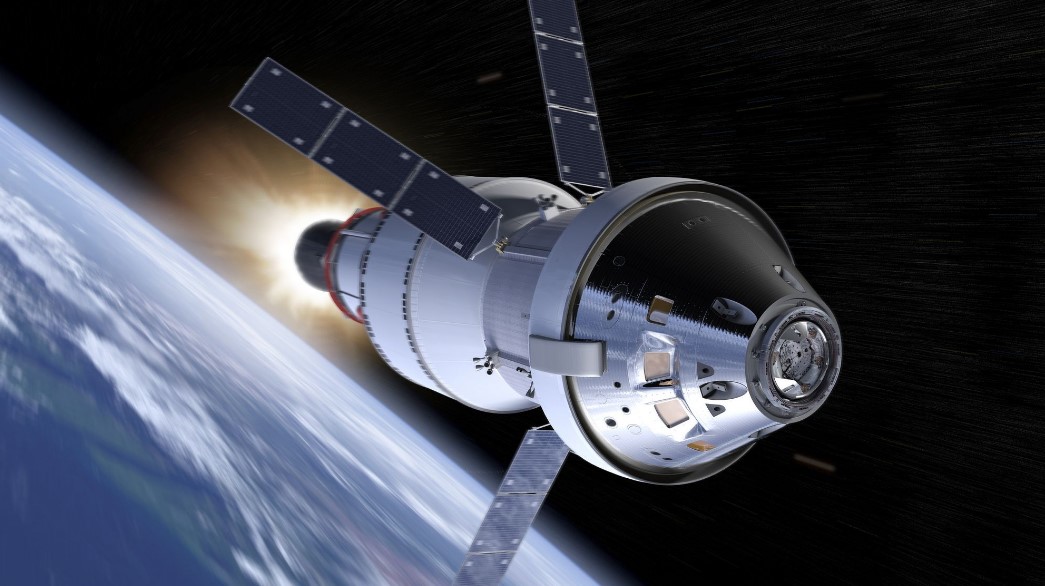
If all had gone according to plan, four astronauts would be preparing to return from a historic 10-day slingshot journey around the Moon.
Instead, NASA engineers are once again battling a familiar enemy: leaking liquid hydrogen.
During a pre-launch “wet dress rehearsal” earlier this month, controllers detected dangerous hydrogen seepage at the launchpad, forcing them to halt fuel flow multiple times. The issue prevented NASA from completing the full test for Artemis II, the first crewed lunar mission of the Artemis era.
For those who remember 2022, it feels like déjà vu.
A Problem That Keeps Coming Back
Similar hydrogen leaks delayed Artemis I, the uncrewed test flight around the Moon. Engineers also struggled with hydrogen seepage throughout the Space Shuttle program era.
Hydrogen is notoriously difficult to contain. It’s the lightest element in the universe — about 14 times lighter than air — and can easily escape through tiny imperfections in seals and valves. Worse, it’s highly flammable. If too much accumulates, the result could be catastrophic.
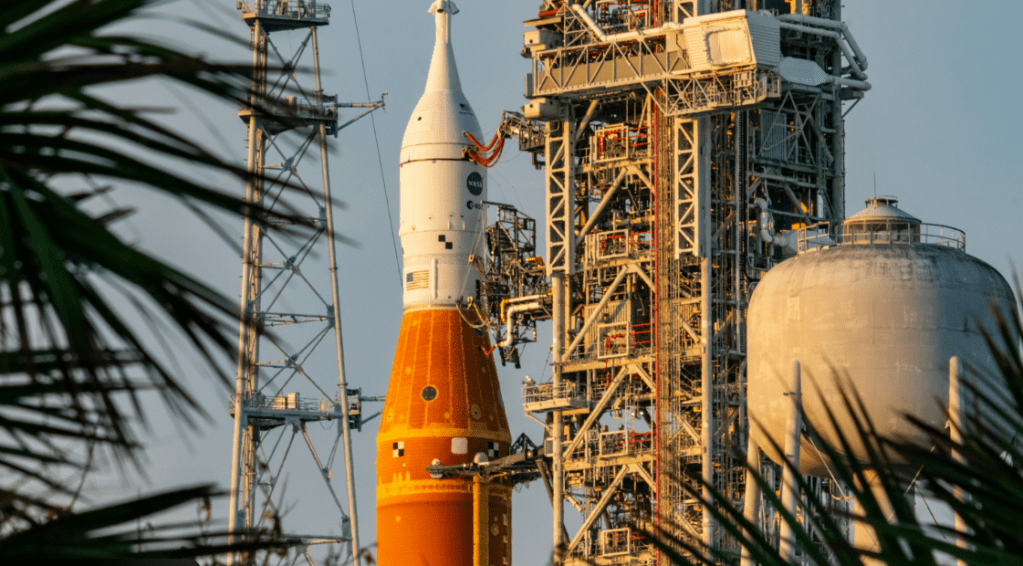
During both recent rehearsals, leaks were traced to the Tail Service Mast Umbilical (TSMU), the structure connecting the rocket to ground systems. NASA has since replaced seals and is experimenting with warming fuel lines mid-loading to help components settle properly before super-cold propellant flows again.
Why Keep Using Such a Risky Fuel?
Despite its quirks, hydrogen delivers unmatched performance.
In rocketry, efficiency is measured by “specific impulse” — essentially how much thrust you get for the weight of fuel burned. Hydrogen offers the highest efficiency of any commonly used rocket propellant. It packs serious power while remaining extremely lightweight, allowing rockets to carry heavier payloads deeper into space.
That’s why hydrogen remains the fuel of choice for many upper rocket stages, including vehicles like Vulcan Centaur, which has also faced hydrogen-related delays.
But in the case of NASA’s moon rocket — the Space Launch System — politics also played a role.
The Congressional Factor
The SLS was mandated by Congress to reuse Space Shuttle-era hardware, contractors, and workforce infrastructure. Because the Shuttle relied on hydrogen, SLS does too — for both its core and upper stages.
Critics argue that adapting legacy systems rather than designing a brand-new rocket has contributed to complexity, cost overruns, and persistent technical headaches.
“It’ll never operate as well as if they designed a new rocket,” space policy analysts have noted, pointing to high overhead and finicky components as lingering consequences of that decision.
Still “Experimental”
NASA officials maintain that SLS is still early in its lifecycle.
“It’s an experimental vehicle,” agency leaders recently emphasized, noting that rockets aren’t considered fully operational until they fly routinely and reliably — a milestone SLS has not yet reached.
For Artemis II to proceed safely, hydrogen leak rates during fueling must remain below 16%, according to NASA’s launch criteria. Engineers are racing to ensure that threshold can be met during upcoming tests.
For now, the Moon must wait — not because of distant space hazards, but because of a molecule so small it can slip through steel.
For more news and update, click here to download our mobile app – Veritas Daily
To explore advertising or sponsorship collaborations, click here to contact us


Leave a Reply