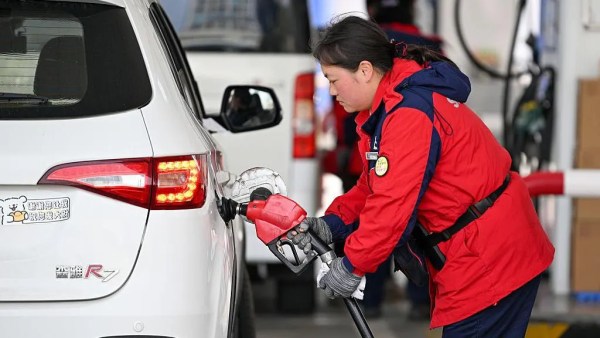
China Limits Fuel Price Hikes as Oil Costs Rise Amid Iran Conflict

China has imposed limits on fuel price increases as global oil prices rise following tensions linked to the Iran conflict. The move aims to manage the domestic impact of higher energy costs.

The National Development and Reform Commission said it raised the maximum retail prices for gasoline and diesel, but within controlled limits. Gasoline prices increased by 1,160 yuan per metric ton, while diesel prices rose by 1,115 yuan per metric ton. The new pricing took effect from midnight, according to the announcement.

Authorities said the adjustment follows a surge in international oil prices, which has been driven by concerns over supply disruptions linked to the Middle East situation. The government’s pricing mechanism allows adjustments based on global market trends but includes controls to avoid sharp domestic fluctuations.

Oil markets have shown volatility as geopolitical developments continue to influence supply expectations. Recent statements from Donald Trump regarding talks with Iran and a delay in planned strikes on energy infrastructure have also affected market movements.

China, one of the world’s largest energy consumers, monitors fuel prices closely to maintain economic stability. The latest decision reflects efforts to balance global price pressures with domestic economic conditions while ensuring steady fuel supply.

For more news and update, click here to download our mobile app – Veritas Daily

To explore advertising or sponsorship collaborations, click here to contact us
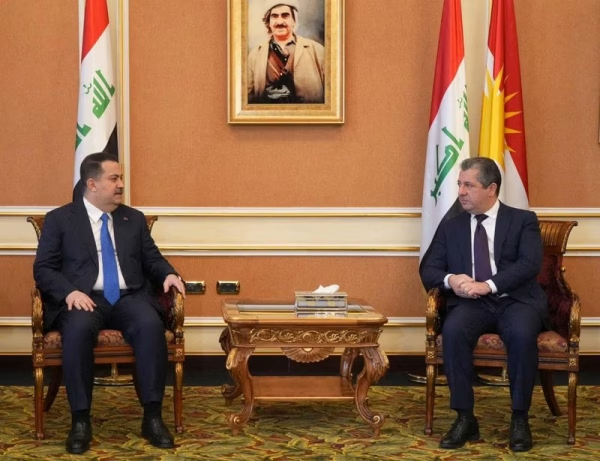
Iraq Resumes Oil Exports from Kirkuk to Turkey’s Ceyhan Port

Iraq began pumping crude oil from the northern Kirkuk fields to Turkey’s Mediterranean port of Ceyhan on Wednesday morning, North Oil Company sources told Reuters, as Baghdad and the Kurdistan Regional Government reached a deal to restore exports disrupted by the regional conflict.

Oil flow through the Kurdistan pipeline started at 10 a.m. local time (0700 GMT), Iraq’s Oil Minister Hayan Abdel-Ghani confirmed via state media.

The two sides formed a joint committee to oversee operations, with revenue directed to the federal treasury. Both governments also agreed to implement security measures to protect oilfields and sustain export continuity.

The deal follows weeks of friction between Baghdad and Erbil. Iraq’s oil ministry had asked the KRG in early March to allow at least 100,000 barrels per day of Kirkuk crude to move through Kurdish pipeline infrastructure to Ceyhan. Kurdish authorities initially rejected the request, citing unresolved security and economic conditions. Baghdad accused the KRG of imposing conditions that made the arrangement unworkable — a charge Kurdish officials denied.

The resumption addresses a portion of the damage the Iran conflict has inflicted on Iraq’s energy sector. Southern oilfields, which handle the majority of Iraq’s exports, cut production by 70 percent to 1.3 million barrels per day after the closure of the Strait of Hormuz effectively shut Iraq’s primary export route in early March.

The Kirkuk–Ceyhan pipeline stretches 970 kilometers from northern Iraq to Turkey’s Mediterranean coast. The route has remained inactive since 2014, when Islamic State attacks forced its shutdown. The Kirkuk fields currently produce around 350,000 barrels per day, most of which flows to domestic refineries.

KRG Prime Minister Masrour Barzani said the region moved to restore exports “in light of the exceptional circumstances the country is confronting.” He added that discussions with Baghdad would continue to lift trade restrictions and provide guarantees for oil companies to resume production.

Iraq’s parliament issued a seven-point decision this week calling on the federal government to assert control over all oil production and distribution channels, and to rehabilitate the pipeline route through western Mosul toward Ceyhan.

The restart provides modest relief to global oil markets. Brent crude has traded above $100 per barrel for four consecutive sessions, with prices rising around 45 percent since the war began on February 28.

For more news and update, click here to download our mobile app – Veritas Daily

To explore advertising or sponsorship collaborations, click here to contact us

Powered by WordPress.com.

Up ↑