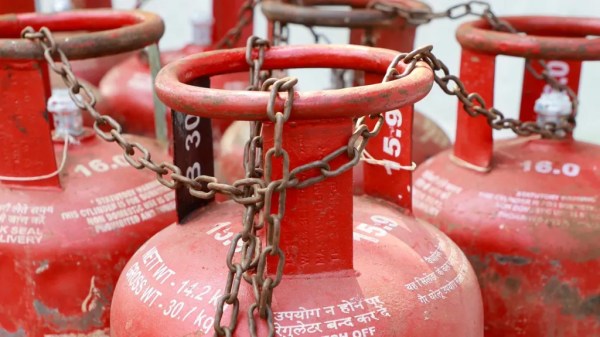
India Faces Middle East Energy Shock Amid Rising Global Tensions

Currency and Stock Market Impact
India’s high-growth economy has faced disruptions as the ongoing Middle East conflict affects oil and gas supplies. The Indian rupee has fallen nearly 10% against the U.S. dollar over the past year, hitting record lows. The Reserve Bank of India (RBI) intervened to curb speculation, providing temporary relief. Analysts warn that continued conflict could push the rupee beyond 110 to the dollar, affecting consumer prices, corporate margins, government finances, and capital flows into equity markets. India’s benchmark indices have fallen about 12% since the start of the year amid foreign fund outflows.

Supply Disruptions and Inflation Pressure
India imports 60% of its natural gas and over 90% of its liquefied petroleum gas (LPG) from the Middle East. Iranian permission allowed some ships to pass through the Strait of Hormuz, but cooking gas shortages have caused closures of restaurants and hotels. Disruptions also affect fertiliser imports, which could impact the agrarian economy ahead of the sowing season, particularly amid a probable El Niño event. Higher import and logistics costs, combined with potential declines in remittances from Gulf-based Indian workers, weigh on inflation and growth prospects.

Government Response
The Indian government announced a $6.2 billion economic stabilisation fund and plans for additional spending on food and fertiliser subsidies. It has also cut excise duties on petrol and diesel and imposed windfall taxes on exports to manage domestic prices. Officials said resources were rationalised from other sectors, including infrastructure, but experts noted that the scale of support remains limited relative to the challenge.

Outlook and Strategy
Gross domestic product (GDP) growth, previously projected at 7% for 2026–27, could fall by up to 1% due to the energy crisis. Experts say the situation highlights the need for a long-term energy strategy, including diversifying reserves, expanding stockpiles, and accelerating the transition to renewable energy. A weaker rupee may boost export competitiveness, but supply-side disruptions remain a concern. The RBI is expected to maintain interest rates to monitor risks to growth and inflation before taking further action.

For more news and update, click here to download our mobile app – Veritas Daily

To explore advertising or sponsorship collaborations, click here to contact us
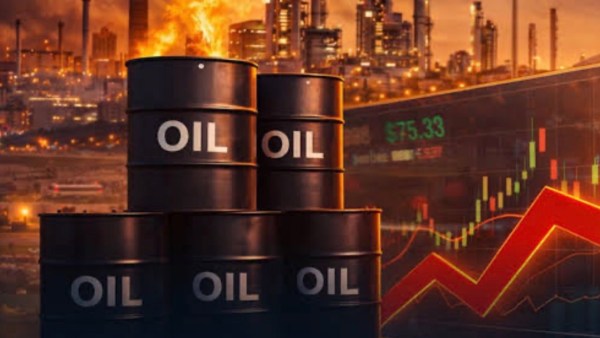
US gas prices cross $4 a gallon for first time since 2022 as Iran war squeezes oil supply

New York — US gas prices crossed $4 a gallon on Tuesday for the first time in nearly four years. Motor club AAA put the national average for a gallon of regular gasoline at $4.02, a figure that marks a threshold American drivers have not crossed since 2022, when Russia’s invasion of Ukraine sent energy markets into turmoil. Since the US and Israel launched strikes on Iran on February 28, gas prices have climbed by more than a dollar a gallon at the national level.

The $4.02 figure is a national average. Drivers in states such as California, Washington, and parts of the Northeast have been paying well above $4 a gallon for several weeks. The national figure crossing the threshold signals that the cost burden has now spread beyond those markets to the country as a whole.

The Iran war has cut supply chains across the Middle East and driven crude oil — the primary input for gasoline production — into rapid price swings. Iran’s closure of the Strait of Hormuz, a waterway that carries roughly one-fifth of global oil flows, sits at the centre of the disruption. With the strait blocked, producers across the Gulf have struggled to move oil to market, tightening supply and pushing benchmark prices higher. WTI Crude settled above $100 per barrel on Monday for the first time since July 2022.

Higher fuel costs ripple through the economy in ways that extend beyond the pump. Businesses that depend on road transport, logistics, and shipping pass rising fuel costs on to consumers through higher prices. Airlines have raised fees to cover jet fuel costs. Households that spend a larger share of income on necessities such as gas and groceries face the sharpest squeeze.

With the April 6 deadline for a US-Iran deal now less than a week away and the Strait of Hormuz still closed, analysts see no near-term relief for fuel prices. If diplomatic talks collapse and the conflict continues past the deadline, markets expect crude to push further above $100 a barrel and gas prices to climb with it.

For more news and update, click here to download our mobile app – Veritas Daily

To explore advertising or sponsorship collaborations, click here to contact us
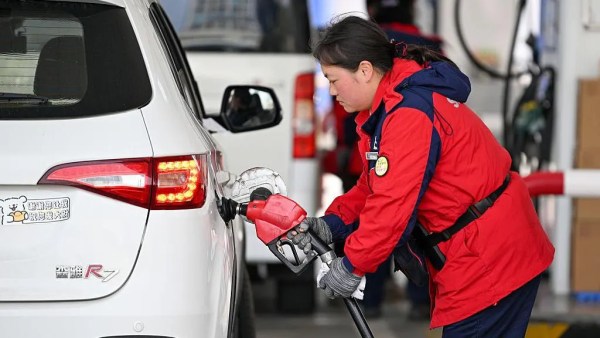
China Limits Fuel Price Hikes as Oil Costs Rise Amid Iran Conflict

China has imposed limits on fuel price increases as global oil prices rise following tensions linked to the Iran conflict. The move aims to manage the domestic impact of higher energy costs.

The National Development and Reform Commission said it raised the maximum retail prices for gasoline and diesel, but within controlled limits. Gasoline prices increased by 1,160 yuan per metric ton, while diesel prices rose by 1,115 yuan per metric ton. The new pricing took effect from midnight, according to the announcement.

Authorities said the adjustment follows a surge in international oil prices, which has been driven by concerns over supply disruptions linked to the Middle East situation. The government’s pricing mechanism allows adjustments based on global market trends but includes controls to avoid sharp domestic fluctuations.

Oil markets have shown volatility as geopolitical developments continue to influence supply expectations. Recent statements from Donald Trump regarding talks with Iran and a delay in planned strikes on energy infrastructure have also affected market movements.

China, one of the world’s largest energy consumers, monitors fuel prices closely to maintain economic stability. The latest decision reflects efforts to balance global price pressures with domestic economic conditions while ensuring steady fuel supply.

For more news and update, click here to download our mobile app – Veritas Daily

To explore advertising or sponsorship collaborations, click here to contact us
Iran War Pushes India to Hike Premium Petrol Prices

Oil marketing companies in India raised prices of premium petrol by up to ₹2.35 per litre with effect from March 20, as the Middle East conflict disrupted global energy supplies and pushed crude oil prices above $100 per barrel. The government confirmed the hike applies only to premium variants and does not affect regular petrol or diesel.

What Changed at the Pump

BPCL’s Speed, HPCL’s Power, and IOCL’s XP95 saw price increases ranging from ₹2.09 to ₹2.35 per litre. HPCL management sent a message to petrol pump owners directing them to display the revised price of its Power 95 variant from Friday. IOCL’s XP95 is now priced at around ₹101.80 per litre at select outlets.

Regular petrol and diesel prices remain unchanged across major cities including Delhi, Mumbai, Bengaluru, Hyderabad, and Chennai. The government has held these prices steady despite months of volatility in global crude markets, citing inflation concerns.

What the Government Said

Sujata Sharma, Joint Secretary at the Ministry of Petroleum and Natural Gas, confirmed the development at an inter-ministerial press briefing on Friday. “There is no change in normal petrol price, it remains unchanged for the public. Only premium category, it is hardly 2 to 4 percent of entire petrol,” she said.

Sharma added that petrol and diesel prices operate under a deregulated framework, and oil marketing companies take pricing decisions independently. The government positioned the hike as a corporate decision rather than a policy shift.

What Triggered the Global Price Surge

The US-Israeli strikes on Iran on February 28 triggered the conflict that has effectively closed the Strait of Hormuz, through which a fifth of the world’s oil and liquefied natural gas passes. The closure has disrupted supply chains, spiked freight insurance costs, and pushed Brent crude firmly above $100 per barrel.

The latest escalation came when Iran struck Qatar’s Ras Laffan LNG facility — the world’s largest — in retaliation for an Israeli strike on Iran’s South Pars gas field. Brent crude surged 10 percent before pulling back, while European gas prices rose 35 percent in a single session. Iran’s military described the South Pars strike as a “major mistake,” noting the field supplies around 70 percent of Iran’s domestic natural gas.

Why India Feels the Pressure

India imports roughly 85 percent of its crude requirements, with the bulk sourced from the Middle East. Every $10 rise in crude oil prices adds approximately $15 billion to India’s annual import bill. With Brent trading above $110 in recent sessions, the fiscal pressure on oil marketing companies has mounted.

The rupee has also fallen to record lows against the US dollar, making crude imports more expensive. The combination of high crude prices and currency depreciation has squeezed margins at BPCL, HPCL, and IOCL, pushing them toward a price revision.

Why Only Premium Fuel Took the Hit

Oil marketing companies opted to raise prices on premium variants rather than regular fuel. Since premium petrol accounts for only 2 to 4 percent of total consumption, companies can adjust those prices without triggering a broad inflationary impact on the public.

Regular petrol and diesel serve a far larger consumer base and carry greater sensitivity to inflation. Policymakers have held those prices steady to avoid adding pressure to households already absorbing rising food and energy costs.

What Consumers Should Watch

For most consumers, the immediate impact remains limited. Users of high-octane variants such as XP95 and Power petrol will see a marginal rise in fuel expenses, but the change does not affect the bulk of daily commuters and transport operators who use regular petrol and diesel.

However, analysts warn the hike signals that cost pressures have begun to enter the fuel system. If crude oil prices remain at current levels or rise further as the conflict continues, oil marketing companies may find it difficult to hold regular petrol and diesel prices at their current levels. A broader revision, while not confirmed, cannot be ruled out.

For more news and update, click here to download our mobile app – Veritas Daily

To explore advertising or sponsorship collaborations, click here to contact us
Powered by WordPress.com.

Up ↑