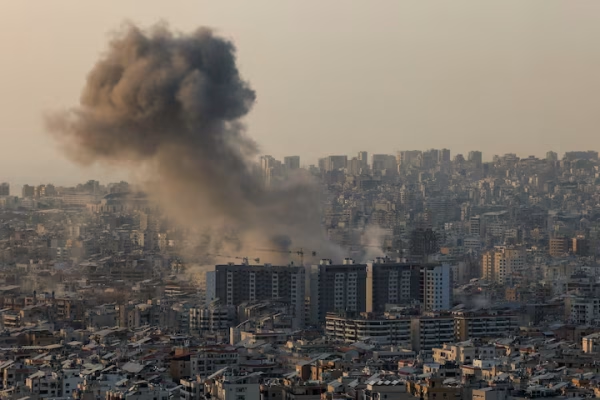


Israel’s Defence Minister Israel Katz has stated that Israeli forces will occupy southern Lebanon up to the Litani River to establish a defensive buffer zone, while Iran has hardened its negotiating position and set conditions that analysts say amount to red lines for the United States.
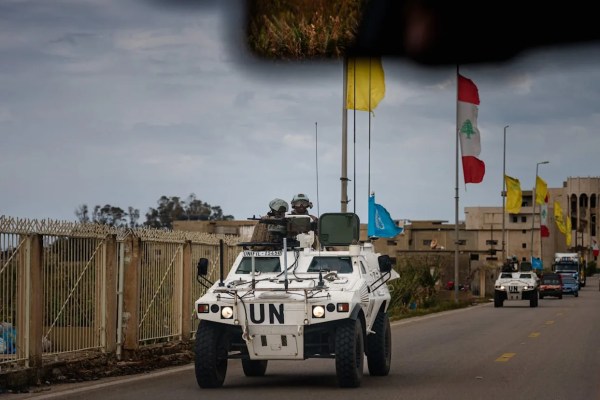
Katz made the announcement at a meeting with the military chief of staff, stating that Israeli forces would control the remaining bridges and the security zone up to the Litani, a river that meets the Mediterranean approximately 30 kilometres north of Israel’s border. The territory Israel intends to hold amounts to nearly a tenth of Lebanon.
As Israel sets out its territorial intentions, three senior sources in Tehran say Iran’s negotiating posture has hardened since the war began, with the Islamic Revolutionary Guard Corps exerting growing influence over decision-making. The sources said Iran will demand significant concessions from the United States if mediation efforts lead to formal negotiations.
Iran’s conditions include guarantees against future military action, compensation for wartime losses, and formal control of the Strait of Hormuz, through which approximately a fifth of the world’s oil and liquefied natural gas flows. Iran would also refuse to negotiate any limitations to its ballistic missile programme, the sources said.
“Iran would not only demand an end to the war but concessions that are likely red lines for U.S. President Donald Trump,” the sources said.
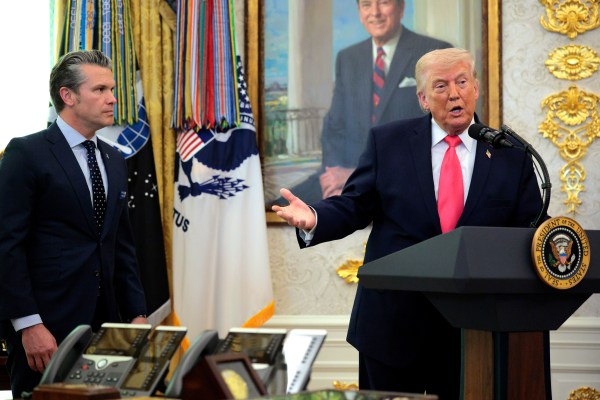
Trump stated on Monday that Washington had already held talks with Tehran, describing them as very strong. Iran has publicly denied this. The three Iranian sources said Iran had only engaged in preliminary discussions with Pakistan, Turkey, and Egypt to assess whether the conditions for talks with the United States exist.
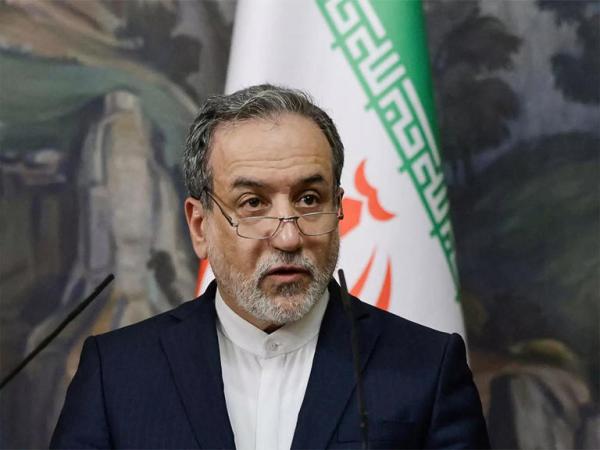
A European official confirmed that no direct negotiations between Iran and the U.S. have taken place, but said Egypt, Pakistan, and Gulf states are relaying messages between the sides. A Pakistani official said direct talks on ending the war could take place in Islamabad this week. If talks proceed, Iran would send Parliament Speaker Mohammad Baqer Qalibaf and Foreign Minister Abbas Araqchi, though the sources cautioned that the Revolutionary Guards would hold ultimate decision-making authority.
Three senior Israeli officials said they view an agreement as unlikely. They said Trump appears determined to reach a deal but believe Tehran will not accept U.S. demands, which they expect to include an end to Iran’s ballistic missile and nuclear programmes.
Analysts say Iran cannot agree to surrender its missile capability or control of the Strait of Hormuz without leaving itself without defence against further strikes. Iranian strategists also carry the experience of coming under attack after an earlier agreement, and have observed Israel continuing to strike Lebanon and Gaza following ceasefires in those territories.
Inside Iran, domestic factors further constrain Tehran’s room to manoeuvre. The sources pointed to the growing authority of the Revolutionary Guards, uncertainty at the top of the leadership with new Supreme Leader Mojtaba Khamenei not having appeared in photographs or video since his appointment, and a public narrative built around resilience in the war.
For more news and update, click here to download our mobile app – Veritas Daily
To explore advertising or sponsorship collaborations, click here to contact us