
Iran strikes Kuwaiti oil tanker in Dubai waters as Trump threatens Iran’s energy infrastructure

Dubai — Iran struck a fully loaded Kuwaiti oil tanker in Dubai waters on Tuesday using a drone attack. Authorities reported no oil leakage and no injuries. Crews extinguished the fire on board and began assessing the damage, with officials monitoring for a possible oil spill in surrounding waters.

President Donald Trump responded by repeating his threat to destroy Iran’s energy facilities if Tehran does not reopen the Strait of Hormuz. White House press secretary Karoline Leavitt said the US military would operate within the confines of the law. Experts warned that strikes on civilian infrastructure could constitute a war crime under international law.

Oil markets reacted to the attack. Asian markets traded lower on Tuesday as WTI Crude, the US benchmark, settled above $100 per barrel on Monday — its first crossing of that level since July 2022. The Hormuz closure continues to restrict global energy flows and push prices higher.

Iran holds the Strait closed as US-Israel operations against Tehran enter their second month. Diplomatic talks remain stalled, with Iran calling the US proposal unacceptable and the April 6 deadline now less than a week away.

For more news and update, click here to download our mobile app – Veritas Daily

To explore advertising or sponsorship collaborations, click here to contact us

Oil Prices Plunge Over 10% After Trump Delays Iran Strikes

Oil prices fell on Monday after Donald Trump said the United States would postpone planned strikes on Iranian power plants and energy infrastructure following talks with Iran. The announcement signaled a possible easing of tensions in the Middle East and triggered a sharp market reaction.

International benchmark Brent crude dropped more than 14 percent to around $96.00 per barrel. The main US oil contract, West Texas Intermediate, also fell by more than 14 percent to about $84.37 per barrel. Both benchmarks reversed earlier gains recorded during the session.

Trump said the decision followed “very good” discussions with Iran, which he described as productive in addressing hostilities. Market participants responded to the development by reducing positions linked to supply risks in the region.

Oil prices had risen earlier due to concerns that potential US strikes could disrupt energy infrastructure and affect global supply. The delay in military action reduced those concerns and led to a decline in prices.

The move reflects how geopolitical developments continue to influence energy markets, with traders reacting quickly to changes in US policy and signals of diplomatic engagement between Washington and Tehran.

For more news and update, click here to download our mobile app – Veritas Daily

To explore advertising or sponsorship collaborations, click here to contact us
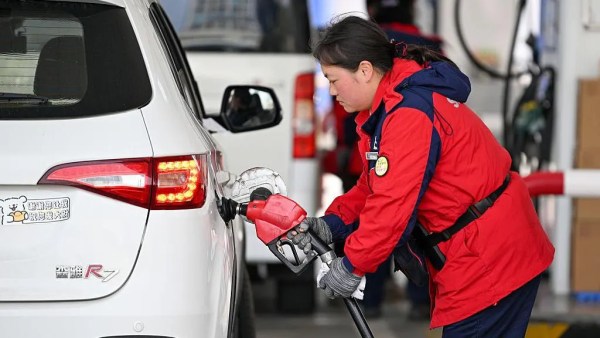
China Limits Fuel Price Hikes as Oil Costs Rise Amid Iran Conflict

China has imposed limits on fuel price increases as global oil prices rise following tensions linked to the Iran conflict. The move aims to manage the domestic impact of higher energy costs.

The National Development and Reform Commission said it raised the maximum retail prices for gasoline and diesel, but within controlled limits. Gasoline prices increased by 1,160 yuan per metric ton, while diesel prices rose by 1,115 yuan per metric ton. The new pricing took effect from midnight, according to the announcement.

Authorities said the adjustment follows a surge in international oil prices, which has been driven by concerns over supply disruptions linked to the Middle East situation. The government’s pricing mechanism allows adjustments based on global market trends but includes controls to avoid sharp domestic fluctuations.

Oil markets have shown volatility as geopolitical developments continue to influence supply expectations. Recent statements from Donald Trump regarding talks with Iran and a delay in planned strikes on energy infrastructure have also affected market movements.

China, one of the world’s largest energy consumers, monitors fuel prices closely to maintain economic stability. The latest decision reflects efforts to balance global price pressures with domestic economic conditions while ensuring steady fuel supply.

For more news and update, click here to download our mobile app – Veritas Daily

To explore advertising or sponsorship collaborations, click here to contact us

Powered by WordPress.com.

Up ↑