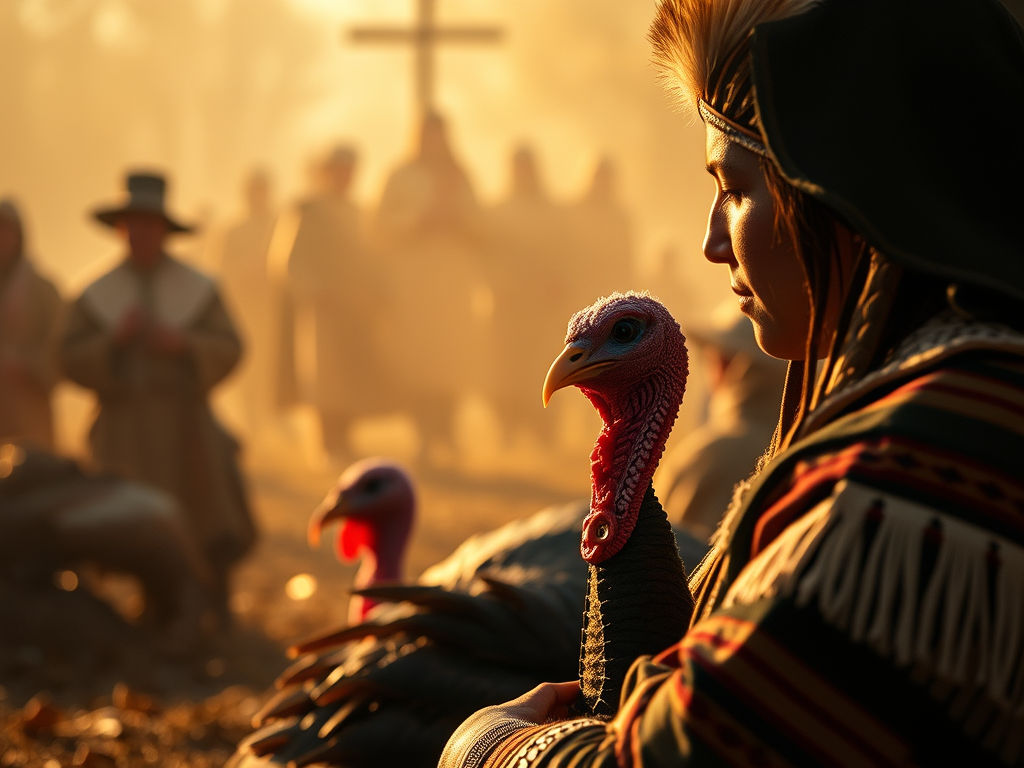
As the United States prepares for Thanksgiving each November, classrooms and public spaces often display familiar images of Pilgrims, turkeys and early settlements. But for millions of Indigenous Americans, the holiday also represents a painful reminder of the invasion, displacement and centuries of policies that reshaped their homelands.
Thanksgiving became a national holiday in 1863, during the Civil War, when President Abraham Lincoln formalised the last Thursday of November as a day of gratitude. However, the origins of the tradition go back to the early 1600s, when English settlers arrived on Indigenous land along the East Coast. A 1621 harvest feast between surviving Pilgrims and Wampanoag people later evolved into the symbolic “first Thanksgiving.”
As colonial settlements grew, violence and forced migration followed. The Royal Proclamation of 1763 pushed Native communities inland, and the 1830 Indian Removal Act triggered the mass displacement known as the Trail of Tears. Later laws, including the 1851 Indian Appropriations Act, confined tribes to reservations, eroding sovereignty and land ownership.
Today, Native nations continue to fight for recognition, land rights and cultural preservation. Despite this history, Indigenous voices are reshaping the national conversation, reminding America that Thanksgiving exists alongside a legacy of resilience, survival and ongoing struggle.
For more news and update, click here to download our mobile app – Veritas Daily


Leave a Reply