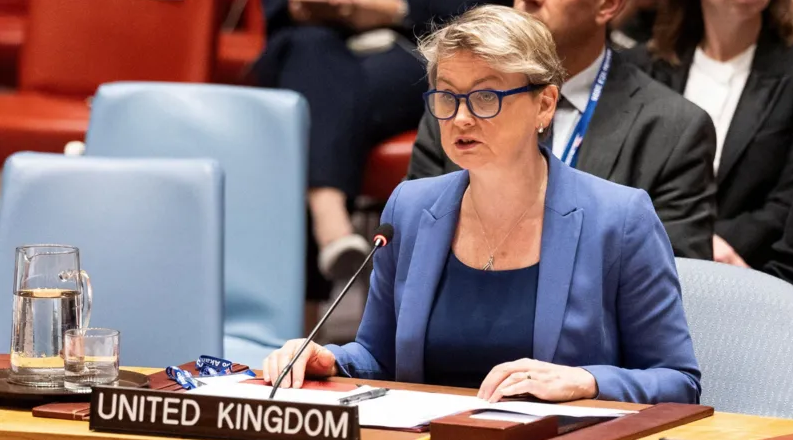
The UN has reinstated sweeping economic and military sanctions on Iran, marking a significant reversal a decade after they were lifted under the landmark 2015 nuclear agreement. The “snapback” mechanism was triggered by the UK, France, and Germany, accusing Iran of escalating its nuclear activities and failing to cooperate with inspectors.
Iran suspended mandatory inspections of its nuclear sites following targeted strikes by the US and Israel on its nuclear and military facilities in June. Despite international concerns, Iranian President Masoud Pezeshkian maintained that Tehran has no intention of developing nuclear weapons.
The original 2015 Joint Comprehensive Plan of Action (JCPOA) sought to curb Iran’s nuclear program by limiting uranium enrichment and research while allowing peaceful nuclear development. However, after the US withdrew from the deal in 2018 under President Donald Trump, Iran progressively increased its prohibited nuclear activities.
The US and Israeli strikes aimed to curb Iran’s nuclear progress and retaliate against Tehran’s support for regional proxy groups targeting Israel. Iran condemned the sanctions as “unfair, unjust, and illegal,” asserting that recent attacks have rendered the nuclear deal effectively obsolete.
The reimposed sanctions signal growing international tensions and challenge efforts to revive the faltering agreement. European powers continue to urge restraint amid fears of further escalation in the region.
Leave a Reply