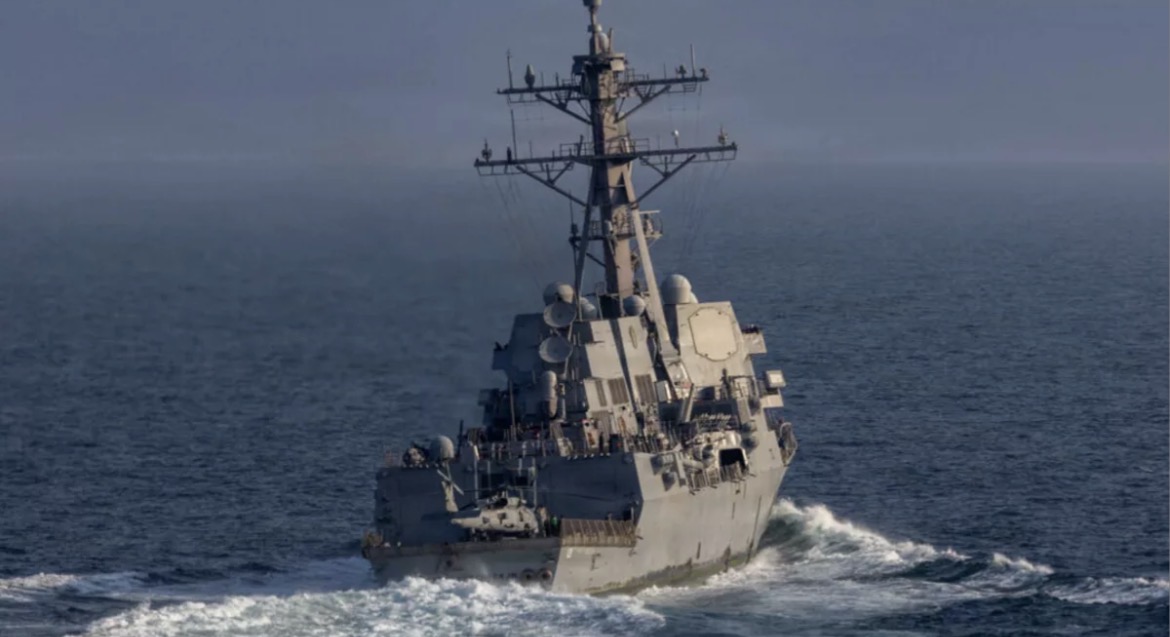
The U.S. Central Command (CENTCOM) has stated that no ships managed to pass its naval blockade targeting Iranian-linked maritime traffic during the first 24 hours of enforcement in the Strait of Hormuz. The claim reflects the initial effectiveness of the large-scale operation aimed at restricting shipping to and from Iranian ports.
According to U.S. officials, at least six merchant vessels were instructed to turn back during the first day, complying with the blockade measures. The operation involves more than 10,000 military personnel, supported by multiple warships and aircraft deployed across the region.
The blockade, announced following stalled diplomatic efforts with Iran, is designed to apply economic pressure by limiting maritime trade linked to the country. While the restriction targets Iranian ports specifically, the broader Strait of Hormuz remains open to non-Iranian traffic, though overall shipping activity has declined significantly due to heightened risks.
However, shipping data and industry sources suggest a more complex situation on the ground. Some vessels, including Iran-linked tankers, were still able to transit the strait, indicating that enforcement may vary depending on location and circumstances.
The Strait of Hormuz is one of the world’s most critical energy corridors, handling a significant share of global oil shipments. Any disruption to traffic through the waterway has immediate implications for global energy markets, trade flows, and geopolitical stability.
The situation remains fluid, with ongoing military enforcement alongside continued uncertainty over how strictly the blockade will be applied in the coming days.
For more news and update, click here to download our mobile app – Veritas Daily
To explore advertising or sponsorship collaborations, click here to contact us

Leave a Reply