

Russia Fires Nearly 1,000 Drones at Ukraine, Kills Eight, Hits UNESCO Site in Lviv

Russia carried out one of the largest aerial attacks since the start of its war on Ukraine, launching 948 drones in a 24-hour period targeting multiple cities across the country.

The attacks killed at least eight people and struck the UNESCO-protected historic centre of Lviv. Two people were killed and a maternity hospital was damaged in a drone strike on the western city of Ivano-Frankivsk. One person was killed in the Vinnytsia region as part of a daytime assault that followed an overnight barrage on residential buildings across several cities, killing five more people.

A building in part of Lviv’s Bernardine Monastery Complex, a UNESCO World Heritage site, was hit. Lviv regional head Maksym Kozytskyi said fire engulfed buildings adjacent to the complex and experts had yet to determine the full extent of the damage.

Ukraine’s Foreign Ministry reached an agreement with UNESCO to send experts to Lviv to document the damage. Foreign Minister Andrii Sybiha called on UNESCO to initiate sanctions against Russia in the field of culture.

In Lviv, Mayor Andriy Sadovyi said 26 people were hospitalised. The building struck at Cathedral Square is a monument of national importance and 17 apartments were affected.

Five people were killed and dozens wounded in strikes across the Poltava region, Kharkiv, Zaporizhzhia, and Kherson. The overnight attack cut a key power line connecting Moldova to Europe, forcing the country to declare a state of emergency. A power line to the Zaporizhzhia nuclear power plant was also cut, the IAEA reported.

Zelensky said in his daily address: “The scale of this attack makes it abundantly clear that Russia has no intention of actually ending this war.”

For more news and update, click here to download our mobile app – Veritas Daily

To explore advertising or sponsorship collaborations, click here to contact us
Iranian Missile Strikes Town Near Israeli Nuclear Facility, UN Urges Restraint

An Iranian missile struck Dimona, a town in southern Israel that houses a nuclear research facility, on Saturday. The Israeli army confirmed a direct hit on a building in the town and reported casualties at multiple sites.

Iran’s state television said the attack was a response to strikes on its Natanz nuclear enrichment facility. Israel has not claimed responsibility for the Natanz strike but said it targeted a facility at a Tehran university it linked to nuclear weapon development.

At least 33 people sustained injuries in Dimona. Among the wounded was a 10-year-old boy with shrapnel wounds. Separately, Iranian missiles struck the nearby town of Arad, injuring 84 more people, 10 of them seriously.

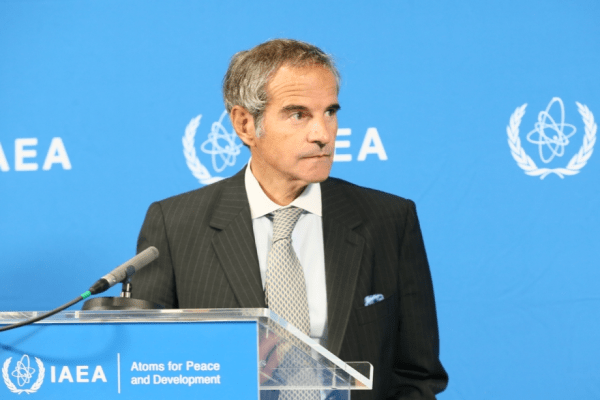
The UN nuclear watchdog, the International Atomic Energy Agency, confirmed that the Natanz facility sustained a strike and reported no increase in radiation levels outside the site. IAEA Director General Rafael Grossi called for military restraint and warned that continued strikes on nuclear facilities risk a radiological incident.

Israeli Prime Minister Benjamin Netanyahu called Saturday a “very difficult evening” and vowed to retaliate. The Israeli military launched strikes on Tehran hours later.

The strikes mark an escalation in the war, now in its fourth week, as both sides target nuclear infrastructure for the first time.

For more news and update, click here to download our mobile app – Veritas Daily

To explore advertising or sponsorship collaborations, click here to contact us
Iran Strikes Near Israel Nuclear Facility, Dozens Injured in Arad

Iran launched missile strikes on southern Israel, hitting towns near a nuclear research site and raising concerns over escalation involving sensitive facilities.

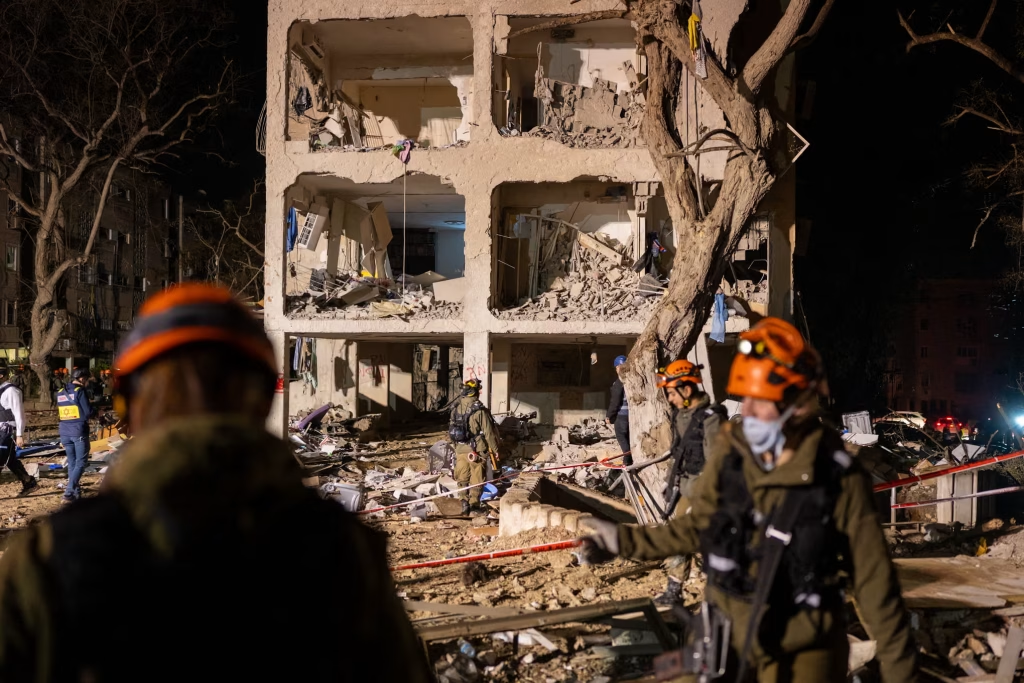
The Israel Defense Forces said an Iranian missile struck the town of Arad, which lies near the Negev Nuclear Research Center. Officials confirmed that the strike caused damage to buildings and infrastructure in the area.

Emergency services reported that at least 59 people sustained injuries in Arad. Firefighters said the missile caused a direct hit, leading to fires and structural damage. Rescue teams responded to multiple sites to assist residents and assess the situation.

Iranian state television said the attack was a response to a strike on Iran’s nuclear facility at Natanz nuclear facility. The exchange marks a continuation of strikes linked to nuclear infrastructure on both sides.

The International Atomic Energy Agency urged restraint following the attack. The agency warned that military actions near nuclear-related sites increase risks and require caution.

Israeli officials said the military will continue operations in response to Iranian actions. The situation remains under close monitoring as both sides continue exchanges.

For more news and update, click here to download our mobile app – Veritas Daily

To explore advertising or sponsorship collaborations, click here to contact us
Iran Fires 4,000-km Missile for First Time as War Enters Fourth Week

Iran launched a long-range missile capable of travelling 4,000 km for the first time since the war began, the Israel Defense Forces said on Sunday, warning that the weapon can reach cities across Europe, Asia and Africa.

The IDF said the missile puts London, Paris and Berlin within range of the Iranian military. Iran had previously declared a missile range limit of 2,000 km and denied pursuing longer-range capabilities.

“The Iranian terrorist regime poses a global threat,” the IDF said. “It has carried out attacks against 12 countries in the region and continues to develop capabilities that pose a much broader threat.”

Western analysts believe Iran used the Khorramshahr-IV missile, which experts say can travel beyond its declared range when fitted with a lighter warhead. Iran also launched two missiles at Diego Garcia, the joint US-UK military base in the Indian Ocean, around 3,800 km away. One missile failed mid-flight and a US warship intercepted the other.

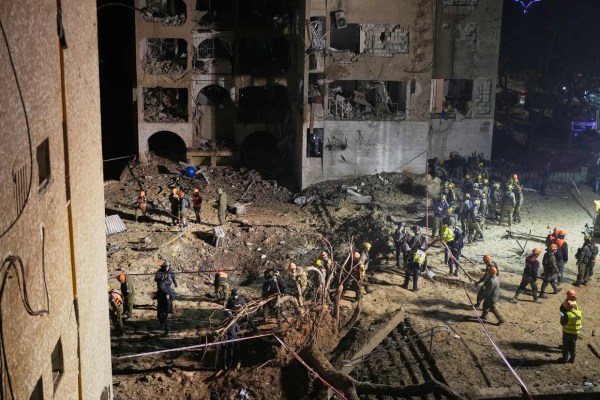
Iranian missiles also struck the Israeli towns of Arad and Dimona, injuring more than 100 civilians. Dimona sits near Israel’s main nuclear research facility. Israeli Prime Minister Benjamin Netanyahu called it a “very difficult evening” and vowed to keep striking Iran. The Israeli military launched a wave of strikes on central Tehran hours later.

The UN nuclear watchdog confirmed Iran’s Natanz enrichment facility sustained a fresh strike. The IAEA reported no radiation leak outside the site but warned that attacks on nuclear facilities carry serious risks.

National Security Minister Itamar Ben Gvir visited Arad and called on Israel to press forward. “We must continue to crush, to achieve victory,” he said.

For more news and update, click here to download our mobile app – Veritas Daily

To explore advertising or sponsorship collaborations, click here to contact us

Powered by WordPress.com.

Up ↑