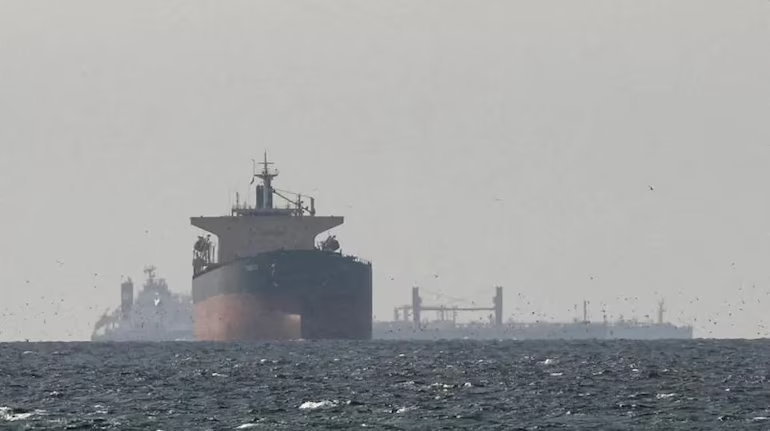
A shipment of Austrian spruce timber bound for Qatar has been forced onto a longer and more complex route due to disruptions linked to the ongoing Iran conflict. The effective closure of the Strait of Hormuz, a key global shipping corridor, has significantly impacted trade flows across the Gulf region.
Before the disruption, timber shipments typically traveled from Europe to Dubai’s Jebel Ali port before being transferred to Qatar’s Hamad Port, a journey taking about 45 days. However, vessels now avoid the Strait of Hormuz, diverting instead to ports such as Khor Fakkan in the United Arab Emirates. From there, cargo is transported overland to Abu Dhabi and then reloaded onto ships bound for Doha.
This rerouting has increased costs substantially, adding up to $5,000 per container in some cases and extending delivery times by several months. Timber prices in Qatar have consequently risen by roughly 50%, reflecting broader supply chain pressures.
The disruption highlights wider challenges affecting regional trade, with goods such as food and medicine also experiencing delays and higher transportation costs. Countries heavily reliant on Gulf shipping routes, including Qatar, Bahrain, and Kuwait, are particularly vulnerable, while efforts to ease bottlenecks remain limited in effectiveness.
For more news and update, click here to download our mobile app – Veritas Daily
To explore advertising or sponsorship collaborations, click here to contact us

Leave a Reply