Create Account
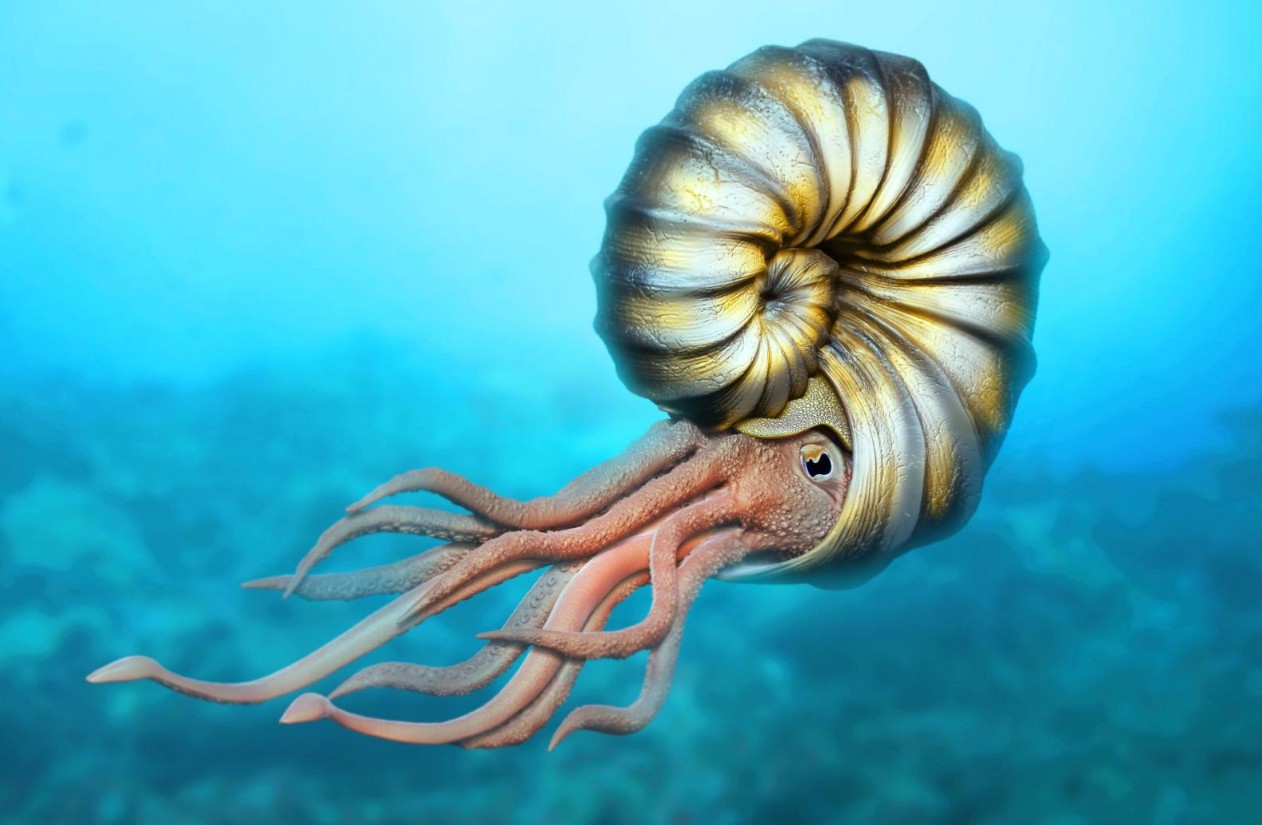
A new study of fossils found in Denmark suggests that ancient marine animals known as ammonites did not die out immediately after the asteroid impact that ended the age of dinosaurs about 66 million years ago. Researchers report that ammonites survived for tens of thousands of years, possibly up to about 200,000 years, after the catastrophic event, challenging the long-held belief that they vanished at the same moment as the extinction.
Ammonites were marine cephalopods with coiled shells that thrived in oceans for more than 340 million years and survived several earlier mass extinctions. The new fossil evidence from stratified limestone layers at a site recognised for its excellent fossil record indicates some ammonite genera continued into the early Paleogene period. These specimens, including Hoploscaphites, Baculites and Fresvillia, were found in rock layers that date after the asteroid strike, suggesting they survived the initial impact and its immediate effects.
Scientists believe that although ammonites endured the immediate effects of the asteroid strike, long-term environmental disruption after the event — such as changes in food availability and ocean conditions — gradually weakened their populations. This pattern matches a concept known as “Dead Clade Walking,” where a lineage survives a major disaster but fails to recover in the long run.
For more news and update, click here to download our mobile app – Veritas Daily
To explore advertising or sponsorship collaborations, click here to contact us